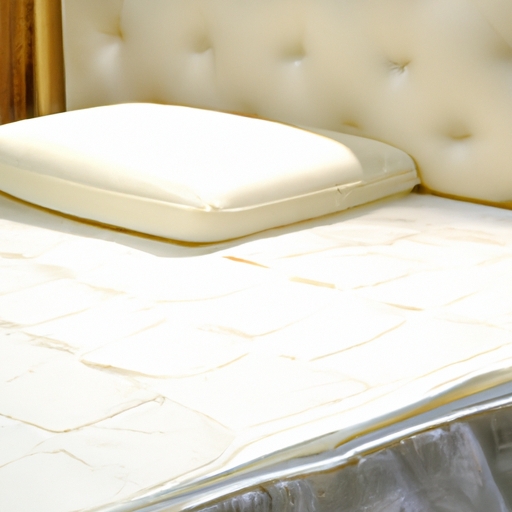
"Mattress Matters: Finding Your Way to Quality Sleep"
Revealed: How Picking the Ideal Mattress Can Boost Your Energy Levels Daily .Here is our guide to choosing the perfect mattress that will give you quality rest. Selecting the right mattress is crucial to achieving a good night's sleep. There are many options on the market. It's important to know the factors that will help you find the perfect mattress for your specific needs.
The Key Takeaways
- Choosing the right mattress is crucial for quality sleep.
- It is important to understand your sleeping needs, preferences and lifestyle before making a decision.
- Different types of mattresses are available, and each has its own pros.
- Mattress firmness and support should be considered based on your sleep position and comfort preferences.
- Features like motion isolation, temperature regulation, and durability can enhance your sleep experience.
Understanding Your Sleep Needs
Understanding your sleeping needs will help you choose the perfect mattress. Everyone's sleep requirements are unique, influenced by various factors that contribute to the quality of your sleep. By taking these factors into consideration, you can make a more informed decision when choosing the perfect mattress.
Factors Affecting Sleep Needs
Several key factors contribute to your individual sleep needs. These include:
- Age: Sleep requirements vary with age. Baby and young children need more sleep while teenagers and adults have a different sleeping pattern.
- Activity Level: The amount of physical and mental activity you engage in can affect sleep quality and duration.
- Health Conditions Certain health problems may require that you consider specific features of mattress or materials to provide comfort and support.
- Personal Preferences: Factors such as firmness, mattress type, and sleeping positions play a role in determining your sleep needs.
Assessing Sleep Needs
Self-assessment is key to understanding your sleep needs. You should reflect on your sleeping patterns and preferences. Consider the following questions:
What is your favorite sleeping position? "- This will determine the level support and comfort that your ideal mattress should provide.
Do you feel any pain or discomfort while sleeping? "- By identifying specific areas of discomfort, you can make a more informed decision about the mattress that will best support those areas.
Do you like to sleep warm or cold? " - Temperature regulation features may be essential if you find yourself frequently waking up due to discomfort caused by temperature fluctuations.
Make an informed mattress selection
Once you understand your sleeping needs, you will be able to confidently explore the wide range of mattress choices. "
You should consider the factors that affect your sleep and compare them to the features of different types and materials. This will guide you in making an informed mattress selection that caters to your specific requirements.
Now that you have a deeper insight into your sleep needs, let's explore the different types of mattresses available in the market and their respective benefits and drawbacks.
Different types of mattresses
Understanding the types of mattresses available on the market before choosing one is important. Each mattress type offers its own unique benefits and features, catering to different sleep preferences and needs. In this section, we will explore the four main types of mattresses: innerspring, memory foam, latex, and hybrid mattresses. Let's get started!
Innerspring Mattresses
Innerspring mattresses are one of the most traditional and widely available options. These mattresses have a coil system and are often covered with foam or padding. This coil system offers a firm, supportive feeling that is ideal for those who like a traditional sleeping surface. Innerspring mattresses also offer excellent breathability, promoting airflow to keep you cool and comfortable throughout the night. However, they may not provide as much contouring or pressure relief as other mattress types.
Memory Foam Mattresses
Memory foam mattresses have gained significant popularity in recent years due to their excellent pressure-relieving properties. These mattresses are made of viscoelastic, conforming foam that provides personalized support while reducing pressure. Memory foam is also able to absorb motion, which makes it a great choice for couples and individuals who share beds. Memory foam mattresses are also known for their ability to isolate movement, which ensures a peaceful sleep. Some memory foam mattresses can retain heat. If you sleep hot, look for models that have cooling features.
Latex mattresses
Latex mattresses can be made from either natural or synthetic materials. They offer a unique combination between comfort and support. Natural latex comes from rubber tree sap, which makes it an eco-friendly choice. These mattresses are responsive, conforming to the shape of your body and maintaining a buoyant feel. The durability of latex mattresses is also well-known. They can last longer than other types. They have good breathability and are resistant to mold, dust mites, and other allergens, making them a suitable choice for individuals with allergies. However, latex mattresses can be quite heavy and more expensive compared to other options.
Hybrid Mattresses
Hybrid mattresses combine the best of both worlds by combining innerspring systems with layers of foam. Typically, these mattresses feature a pocketed coil support system for targeted support, coupled with memory foam or latex layers for enhanced comfort and pressure relief. Hybrid mattresses combine the best of coil and foam mattresses to provide a balanced sleeping experience. They deliver excellent breathability, motion isolation, and support, making them a popular choice for a wide range of sleepers. However, hybrid mattresses can be heavier and more expensive than other types.
Now that we have explored the different types of mattresses, it is important to consider your specific needs, preferences, and budget when making a decision. Take the time to evaluate the pros and cons of each type, and determine which one aligns best with your sleep requirements.
Mattress Firmness and Support
Mattress firmness, and support are important factors in sleep quality. The right level of firmness and support can greatly impact your comfort and the overall quality of your sleep. Understanding the significance of these factors and selecting the appropriate mattress firmness and support level based on your individual preferences and requirements is essential for a good night's sleep.
Why does mattress firmness matter?
The firmness of a mattress refers to how soft or firm the sleeping surface feels. It determines the initial feel and level of comfort you experience when lying down. The firmness of a mattress can range from medium to firm to soft, each offering different benefits to suit different sleeping preferences.
A mattress too soft can cause your spine to be misaligned and lead to a loss of support. On the other hand, a mattress that is too firm can create pressure points, resulting in discomfort and disrupted sleep. Finding the right balance of firmness is crucial to ensure optimal support and pressure relief.
What about mattress support?
Mattress Support is the ability of the mattress to maintain a proper spinal alignment, and to distribute weight evenly across the body. A supportive mattress helps align the spine in a neutral position, reducing strain on pressure points and promoting healthy sleep posture.
Proper support is especially important for those who suffer from back pain or other musculoskeletal issues. Inadequate support in a mattress can worsen these conditions and cause discomfort. You can relieve pressure on sensitive parts of your body by choosing a mattress with the right level of support.
How do you choose the correct firmness level and support?
It's important to take into account your preferences and any special requirements when choosing a mattress. The ideal firmness level and support can be determined by factors such as your body weight, sleeping posture, and any health conditions.
Side sleepers: People who prefer to sleep on their sides may benefit from a mattress that is medium-soft or medium-firm. This level of firmness allows for proper alignment of the spine and cushioning of the shoulders and hips.
Back sleepers: People who sleep on their stomachs or backs need a mattress with a medium firmness. This will provide adequate support for the spine to maintain its natural curve and to prevent them from sinking into the mattress.
Stomach sleepers: A medium-firm mattress to firm is recommended for individuals who prefer to sleep on their stomach. This level of firmness keeps the spine aligned, and prevents hips from sinking too much.
H3 Quotes
"Finding the right level of firmness and support in a mattress is vital for achieving optimal sleep comfort and maintaining good spinal alignment." - Sleep Expert
In conclusion, selecting the right level of mattress firmness and support is essential for achieving quality sleep and ensuring proper spinal alignment. By considering your individual preferences and sleep needs, you can find the perfect mattress that offers the ideal balance of comfort and support. You should test out different firmness levels and speak to experts before making a decision. This will help you make an informed choice that will improve your health and give you a good night's rest.
Considering Sleep Positions
When it comes to choosing the ideal mattress, understanding your sleep position is key. To ensure comfort and support throughout the night, different sleep position need specific qualities from a mattress. Let's examine the different sleeping positions, and how they are related to bed selection.
Side Sleepers
If you're a side sleeper, you'll want to look for a mattress that provides excellent pressure relief, particularly for your shoulders and hips. A medium-firm mattress can alleviate discomfort and promote spinal alignment. Consider a mattress with memory foam or hybrid construction for optimal support and contouring.
Back Sleepers
For back sleepers, it's crucial to find a mattress that offers sufficient support to maintain the natural curve of the spine. Back sleepers are generally advised to choose a medium-firm mattress, which helps distribute the weight evenly and reduces sagging. Look for a mattress with good lumbar support to ensure proper alignment of the spine.
Stomach Sleepers
It is important to choose the right mattress if you like to sleep on your stomach. This will prevent your spine from sinking too deeply and ensure proper alignment. For stomach sleepers, a firmer mattress provides sufficient support and keeps the spine from sinking into the mattress. To keep your spine in neutral alignment, choose a mattress that is responsive and buoyant.
The ideal mattress should provide the perfect balance between support and comfort. This will keep your spine in alignment and ensure a good night's rest. " - Dr. Sleep Expert
When choosing the right mattress, keep in mind your sleeping position. Understanding the qualities that are required for each sleeping position will help you make an informed decision. This will lead to a better sleep and a healthier lifestyle.
Assessment of Motion Isolation & Noise Control
When it comes to getting a good night's sleep, motion isolation and noise control are essential factors to consider in a mattress. These features can be very helpful in ensuring a good night's sleep, especially for couples and individuals who share a bed. So, let's take a closer look at why motion isolation and noise control are crucial mattress attributes.
Motion Isolation: It's Important
The ability of a mattress to reduce the transfer of movement from one side to the other is called motion isolation. It is especially useful if your partner tosses and turns in bed. You can sleep more peacefully without being disturbed by the motion.
If you have an animal that likes to get in and out of the bed at night, or you sleep next to someone who is restless, a mattress with good movement isolation may be useful. By reducing motion transfer, you can enjoy a more restful and uninterrupted sleep experience.
The Significance of Noise Control
Noise Control should be considered when choosing a mattress. This is especially true if you're easily disturbed by noises while sleeping. Some mattresses produce squeaking or creaking noises that can disrupt your sleep and negatively affect it.
A mattress that is ideal for noise reduction will reduce any noise caused by pressure or movement. This can be particularly beneficial if you tend to shift positions frequently during the night, as it ensures a quiet and peaceful sleeping environment.
Furthermore, noise control is especially important for light sleepers or those who are easily awakened by external noises. You can sleep better with a mattress that reduces noise disturbances.
Choosing a Mattress with Motion Isolation and Noise Control
It's crucial to take into account the mattress' ability to isolate motion and reduce noise when choosing a new mattress. Choose mattresses designed to reduce noise and absorb motion. This will ensure a peaceful and restful sleep environment.
"A high-quality mattress with excellent motion isolation and noise control can significantly enhance your sleep quality by minimizing disruptions and providing a more comfortable and undisturbed sleep experience." - Sleep Essentials Magazine
Innovative technologies and materials are used in some mattresses to achieve noise reduction and motion isolation. For example, memory foam mattresses often excel in motion isolation, while hybrid mattresses combine the benefits of multiple materials to provide superior noise control.
Check product descriptions and reviews to find out more about the mattress' noise and motion control capabilities. Consider visiting a local mattress store to try out different mattresses and find the one that best fits your needs.
You can achieve a better sleep by prioritizing noise and motion control. This is important for your well-being.
Temperature Regulation and Breathability
When it comes to achieving a comfortable sleep environment, temperature regulation and breathability play crucial roles. The ability of a mattress to regulate temperature ensures that you stay cool in the summer and warm in the winter, promoting uninterrupted sleep throughout the night. The breathability of a mattress allows air to flow freely, which prevents the accumulation of heat and moisture that can cause discomfort.
Modern mattresses have innovative features to regulate temperature and breathe. Popular mattress technologies include the following:
- Open-cell foam (also known as open-cell polyurethane foam): This foam type has a large cell structure that allows for better heat dissipation and airflow.
- Gel-infused foam: Gel-infused foam materials help to dissipate heat and regulate body temperature by capturing and distributing excess warmth.
- Motion transfer technology: By isolating movement, this technology prevents excess heat generation caused by the movements of your sleep partner, ensuring a cooler sleep environment.
- Materials made from natural materials: Some materials, like latex or organic cotton, are naturally breathable and promote airflow.
Selecting a mattress that has these features will create a sleeping environment conducive to restorative, comfortable sleep. Let's take a closer look at the benefits of temperature regulation and breathability:
| Temperature regulation has many benefits | Benefits of Breathability |
|---|---|
| 1. Comfort: Maintaining a comfortable sleep temperature all night long promotes a deeper, more restful sleep. | 1. Improved air circulation: Breathable mattresses allow for better air circulation, reducing the risk of moisture build-up, odors, and allergens. |
| 2. Reduced night sweats. A mattress that regulates temperature effectively can reduce night sweats. It does this by wicking excess moisture away. | 2. Allergy prevention: Breathable materials discourage the growth of mold, mildew, and dust mites, making them ideal for individuals with allergies or sensitivities. |
| 3. Longer lifespan. By preventing excessive heat accumulation, a mattress that has good temperature regulation will help to preserve its structural integrity. | 3. Fresh sleep surface: Breathability ensures a fresh sleep surface by preventing the accumulation of heat, moisture, and unpleasant odors. |
When shopping for a new mattress, consider prioritizing temperature regulation and breathability features to enhance your sleep quality and overall sleep experience. You'll thank your body for it!
Durability and longevity
When investing in a new mattress, considering its durability and longevity is essential. You want your mattress to provide comfort and support over many years. The lifespan of your mattress is determined by factors such as the quality of materials, construction and care.
Influencing Factors
The durability and lifespan of a mattress can vary depending on several factors:
- Choose mattresses made of high-quality materials, such as dense foams or natural latex. These tend to be more durable and long-lasting.
- Construction: Pay close attention to the construction. Look for features like reinforced edges and sturdy support systems, which can contribute to its overall durability.
- Use: The frequency and who uses the mattress can influence its lifespan. A mattress that bears the weight of two individuals might experience more wear and tear compared to one used by a single person.
- Maintenance: Proper care and maintenance can significantly extend the lifespan of your mattress. Regularly rotating and flipping the mattress, using a mattress protector, and keeping it clean and dry can help preserve its quality over time.
Tips for Longevity
To ensure your mattress stays comfortable and supportive for as long as possible, follow these tips:
- Flip and rotate your mattress frequently: Rotating and flipping it every few months will help you to distribute wear and tear more evenly. This will prevent sagging, and extend its life.
- Use a mattress cover: A mattress cover acts as a barrier to spills, stains and dust mites. It keeps your mattress clean and reduces the risk of damage.
- Vacuum your mattress regularly to remove dust and allergens. If necessary, spot clean any stains using a mild detergent and warm water.
- Do not jump or stand on your mattress. This can reduce the lifespan of the mattress and cause it to suffer from excessive strain.
- Replace your mattress when needed: Despite proper maintenance, mattresses do have a finite lifespan. You may want to invest in a new bed if you notice significant sagging or discomfort.
These tips will help you to ensure that your mattress lasts for many years.
Considering Allergies and Sensitivities
Finding a mattress that is suitable for your allergies and sensitivities will ensure a restful night's sleep. Dust mites and pet dander can worsen allergy symptoms, causing discomfort and sleep disturbances.
But fret not! There are hypoallergenic mattresses available in the market that can help alleviate your allergy or sensitivity symptoms. These mattresses are specially designed to minimize the presence of allergens and create a healthier sleep environment.
Hypoallergenic Mattresses are made with materials that are less likely than others to cause allergies or sensitivities. These mattresses are made from natural fibers such as organic bamboo or cotton, which repel dust mites naturally and prevent allergens.
Additionally, hypoallergenic mattresses have anti-microbial properties that inhibit the growth of bacteria, mold, and mildew, providing a cleaner and healthier sleeping surface.
Look for certifications like Oeko-Tex Standard 100 and CertiPUR-US (r) when selecting a hypoallergenic bed. These certify that the mattress is free of harmful chemicals or allergens.
A hypoallergenic bed can improve your overall sleep quality and help manage allergies. "
If you suffer from allergies or sensitivities, investing in a hypoallergenic bed may be the best choice. It can help to reduce allergic reactions and create a more comfortable, peaceful sleep environment.
Benefits of Hypoallergenic Mattresses:
- Minimize exposure to allergens and irritants
- Reduce allergic reactions, such as sneezing or congestion
- Eliminate allergies to improve sleep and eliminate discomfort.
- Cleaner and healthier sleeping environment
- Refuse to grow bacteria, mildew, and mold
By choosing a hypoallergenic mattress, you can take a proactive step towards managing your allergies or sensitivities and enjoying a more restful sleep.
Setting a Budget and Comparing Prices
It's crucial to create a budget for your new mattress that is in line with your preferences and needs. By establishing a mattress budget, you can narrow down your options and find the best mattress within your price range. Here are some tips to help you set a budget and compare prices effectively:
1. Calculate Your Spending Limit
Start by evaluating your overall budget and identifying the maximum amount you are willing to spend on a mattress. Consider factors such as your financial situation, the expected lifespan of the mattress, and the value you place on a good night's sleep.
2. Research Different Price Ranges
Explore the market and learn about the different price ranges of mattresses. Compare prices of different types and sizes of mattresses at various retailers both online and offline. Note any current sales, discounts, or promotions.
3. Consider Value for Money
Remember that the cheapest mattress may not always provide the desired comfort and durability. Find a mattress with the highest value for money. Look for features such as quality materials, good customer reviews, and warranty coverage, as these factors contribute to the overall value of the mattress.
4. Utilize Price Comparison Tools
Use online comparison tools for your research. You can compare prices between retailers using these tools, and find the best offers and discounts. Be sure to check reputable websites and read reviews to ensure accuracy and reliability.
5. Find out about financing options
Consider financing options from mattress retailers if your budget does not allow you to pay in one lump sum. For qualified customers, many companies offer flexible payment plans and interest-free financing. It's important to carefully review the terms and conditions to make an informed choice.
Comparing prices and establishing a budget can help you find a mattress that is both affordable and of high quality. - Sleep Expert, John Simmons
By implementing these strategies, you can make an informed decision and find the ideal mattress that fits your budget and provides a restful night's sleep.
The conclusion of the article is:
To conclude, selecting the right mattress is essential to ensure a rejuvenating and restful sleep. By taking into account factors such as your sleep needs, mattress types and attributes, and personal preferences, you can make an informed decision that will have a positive impact on your sleep quality and overall well-being.
Finding the right mattress begins with understanding your personal sleep requirements. Whether you prefer a firm or plush feel, require extra support for back pain, or prioritize motion isolation for undisturbed sleep, there is a mattress out there that caters to your specific requirements.
By evaluating different mattress types, such as innerspring, memory foam, latex, and hybrids, you can determine which one aligns best with your comfort preferences and desired sleeping experience. Considering attributes such as temperature regulation, breathability and durability will also improve your sleeping environment.
So, take the time to research and compare options, read customer reviews, and visit mattress stores to try different models. With careful consideration and informed decision-making, you can find the ideal mattress that promotes better sleep, waking up refreshed, and ready to take on the day. Sweet dreams await!
FAQ
Why is it important to choose the right mattress for quality sleep?
Choosing the ideal mattress is crucial for quality sleep because it can significantly impact your overall well-being. A supportive and comfortable mattress can promote spinal alignment, reduce pressure points and allow you to sleep better.
What should I look for when choosing a mattress?
It's important that you consider your sleeping needs, the type of mattress, firmness, and support when choosing a mattress. You should also consider your preferred sleeping position, noise and motion control, temperature regulation and durability, as well as any allergies or sensitivities.
What are the different types of mattresses available in the market?
There are many types of mattresses available, including innerspring mattresses, memory foam mattresses, latex mattresses, and hybrid mattresses. Innerspring mattresses use coils for support, while memory foam molds to your body shape. Latex mattresses are known to be durable and responsive, while hybrid mattresses use different materials to create a balanced sleeping experience.
How do I determine the right level of firmness and support for my mattress?
The right level of firmness and support depends on personal preferences and individual requirements. Back and stomach sleepers tend to prefer a firmer bed, while side sleepers might find a medium-soft or medium-firm mattress more comfortable. To maintain proper spinal alignment, it's important to strike a balance between support and comfort.
What qualities should I look for in a sleep position?
Yes, different sleep positions require specific qualities in a mattress. Side sleepers may benefit from a mattress that offers pressure relief and contouring to support their hips and shoulders. A mattress should provide adequate support for back sleepers while maintaining natural spinal alignment. A firmer mattress is recommended for stomach sleepers to avoid excessive sinking in the middle.
What is the importance of motion isolation and noise reduction in a mattress?
For couples and those who share a bed, motion isolation and noise reduction are essential considerations. A mattress with good motion isolation absorbs movement, reducing the transfer of motion from one side to the other. Noise control is particularly relevant for mattresses with coils, as they may produce creaking or squeaking sounds.
Can a mattress affect temperature regulation and breathing ability?
Certain features may contribute to temperature regulation. Cooling technologies such as gel-infused Memory Foam or breathable natural fiber covers can help dissipate the heat and promote airflow. These features can create a more comfortable sleep environment, particularly for individuals who tend to sleep hot.
How long does a mattress typically last?
The lifespan of a mattress can vary depending on several factors, including the quality of materials, usage, and care. On average, a good-quality mattress can last between 7 to 10 years. To maximize the life of your mattress, you must follow the manufacturer's instructions and take proper care of it.
Are there mattresses available for individuals with allergies or sensitivities?
There are many hypoallergenic mattresses available. These are made to reduce allergens, and the likelihood of an allergic reaction. These mattresses are typically made from materials that are resistant to dust mites, mold, and other common allergens. A hypoallergenic mattress will help to alleviate allergy symptoms and promote better sleep.
How can I set a budget for my ideal mattress?
To determine your budget, you must first decide how much money you can afford to spend. Consider factors such as the mattress type, materials used, and additional features to help you establish a realistic budget. Compare prices between different online or retail platforms and retailers to get the best deal.